溫故知新 Old wisdom, today’s insight — ONGO
권선징악 勸善懲惡
To promote good deeds and punish evil acts, thereby establishing moral order and justice within society.
권선징악 (勸善懲惡) means "To promote good deeds and punish evil acts, thereby establishing moral order and justice within society.". Originating from the 'Zuo Zhuan' (Commentary of Zuo) on the Spring and Autumn Annals, this idiom was
1 Meaning
권선징악 (勸善懲惡) means “To promote good deeds and punish evil acts, thereby establishing moral order and justice within society.”.
Gwon-seon-jing-ak (Encouraging Good and Punishing Evil) serves as a moral compass, advocating for the promotion of virtuous behavior while ensuring that misconduct is penalized. It remains the most fundamental theme in Eastern folklore and classic literature, reinforcing the universal belief that justice ultimately prevails.
2 Examples
A manager attempts to secure a promotion by stealing a colleague's credit and submitting falsified reports.
Internal whistleblowing and objective performance data reveal the truth, leading to disciplinary action for the manager and a rightful promotion for the victim.
An individual uses online anonymity as a shield to spread malicious rumors and false information about others.
Legal action is taken to identify the perpetrator, who is then held civilly and criminally liable for their actions.
Despite facing financial hardship, a citizen finds a lost wallet and returns it to its rightful owner without hesitation.
The story goes viral on social media, leading to public praise and an unexpected job offer from a local company.
Which situation fits this idiom?
Pick the everyday scene where “권선징악” fits best.
3 Origin
4 Key Lessons
Every action carries a consequence, and deception can never serve as a permanent shield.
Good intentions and honesty are the most powerful assets for recovery during times of crisis.
Gains achieved by harming others will eventually return as a personal liability.
5 English Expression
English Vocabulary
disgrace
불명예, 치욕
"He brought disgrace to his family by stealing the money."
slick
매끄러운, 교활한
"The salesman used slick words to trick the customers."
payday
급료 지불일, (비유적으로) 인과응보의 날
"After months of hard work, Friday is finally payday."
karma
업보, 인과응보
"She believes in karma, so she always tries to help others."
6 Learn with Music
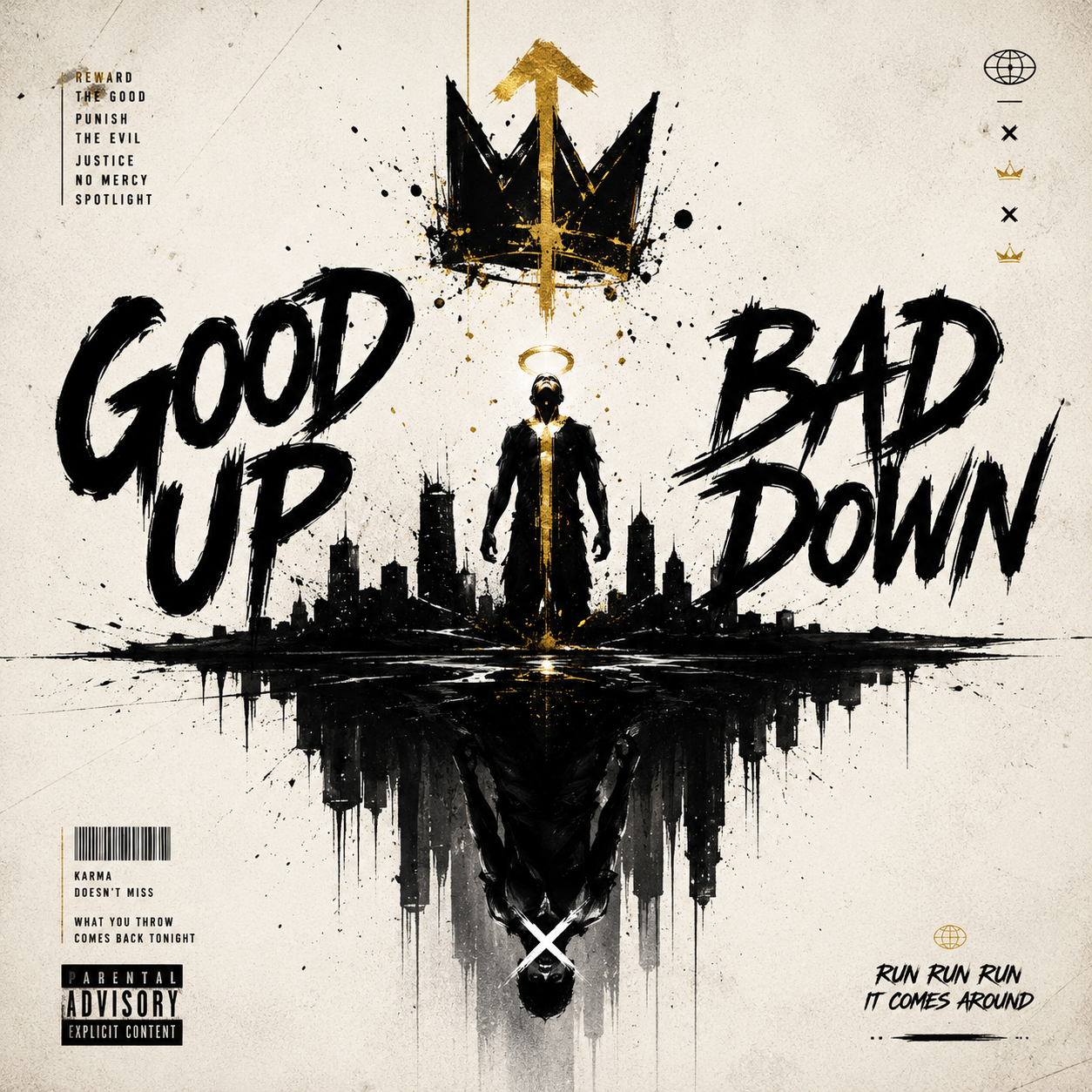
Related Idioms


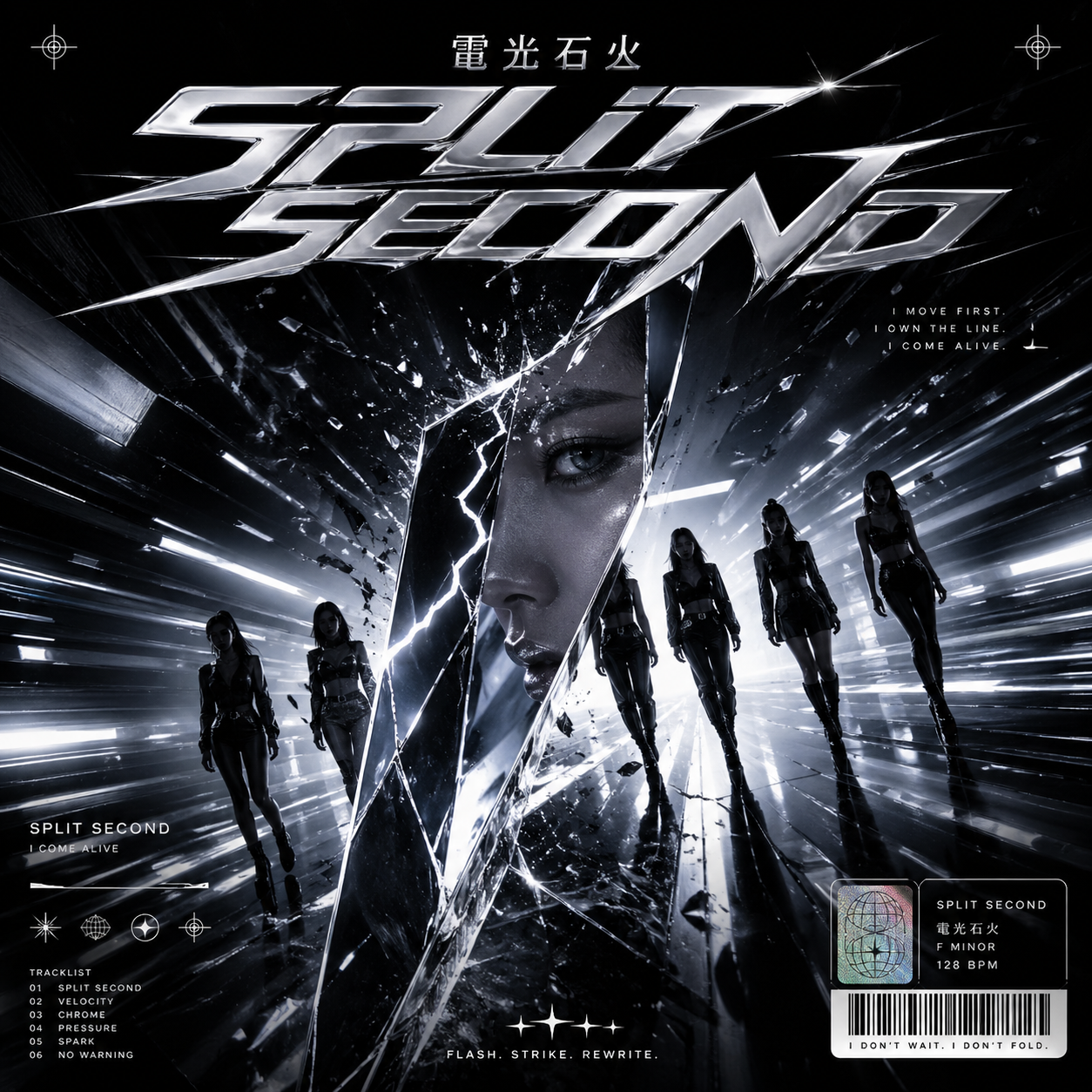
권선징악
Memorize idiom meanings and examples with various music genres
Listen to Track